A showcase of premier single malts and aged craft rums driving the global expansion and premiumization of India's boutique distilleries.
India's spirits industry is making itself known on the world stage. A new generation of producers are showcasing Indian-grown barley and sugarcane alongside tropical maturation, innovative cask finishes, and distinctive regional identities that embrace the diversity of the nation—from the foothills of the Himalayas to its tropical coasts.
With Diwali quickly approaching this month, these four bottles are worth keeping on your radar. They encompass three Indian single malts and one aged cane-juice rum; not only do they offer an approachable introduction to more complex, cask-driven expressions, but they exemplify a compelling snapshot of the country's growing influence in premium spirits.
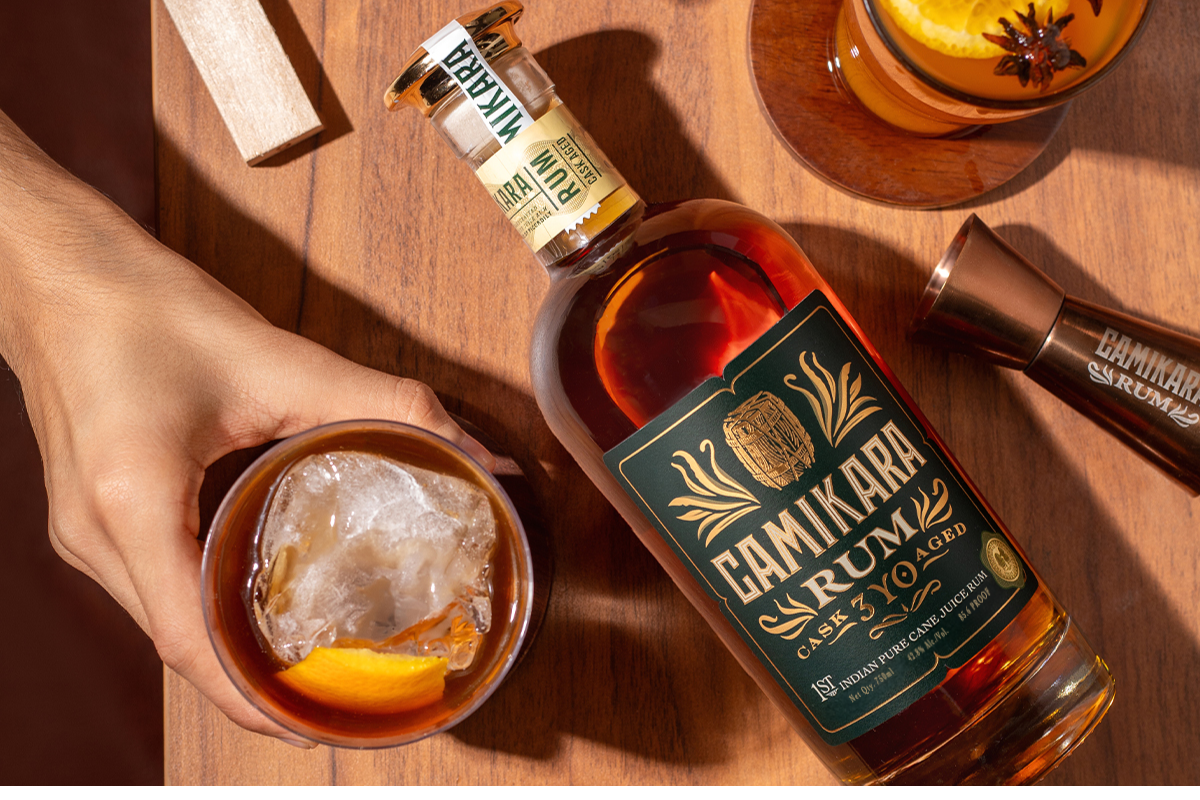
Camikara 3-Year-Old Cask Aged Rum
The name Camikara is Sanskrit for “liquid gold,” an apt name for a flagship rum that aims to introduce cane-juice rum to the market. Most rum is made from molasses, and mostly made in the Caribbean and Latin America; in contrast, Camikara is distilled entirely from cane juice, and distilled at the Piccadilly Distillery in Haryana, northern India, before being aged for at least three years in American oak barrels. The result is a 42.8% ABV rum that is light on the nose, with notes of honey and caramel and a short finish. The sweetness of sugar cane is balanced by oak, subtle smoke, and hints of leather, flavors more associated with dark rums than the lightness of Camikara. At approximately $30-35 a bottle, it offers an opportunity to explore India's agricultural identity, while serving as proof that India’s ambitions in the spirits industry extend beyond whiskey.
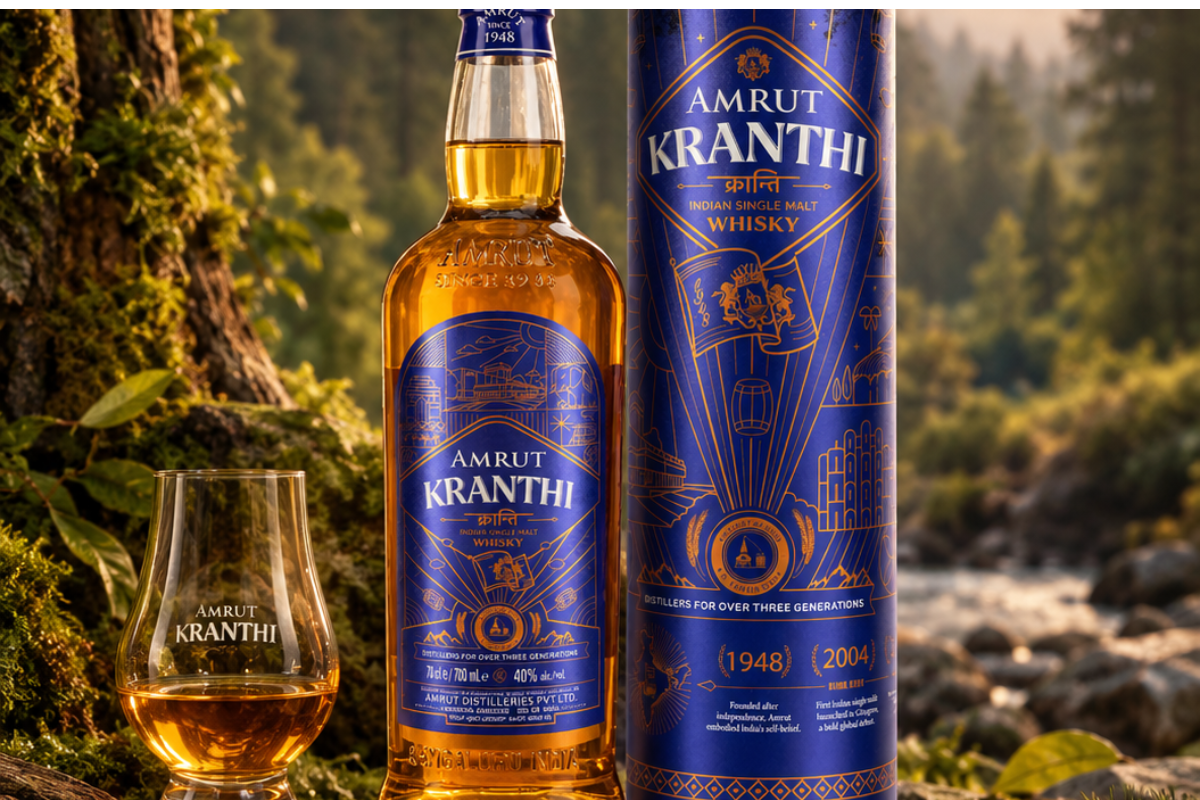
Amrut Kranthi Indian Single Malt
The ancient city of Bengaluru has both a tropical climate as well as a 3,000-ft elevation, which makes for interesting landscape for aging whiskies. This was where Amrut was founded in 1948, at the dawn of Indian independence. Not only is it one of the oldest distillers in India, but it’s been run by the same family for three generations. Kranthi (or “revolution”) is the latest expression from this longstanding distillery, aged in four distinct barrels: new American, ex-bourbon, ex-madeira and ex-oloroso barrels. It’s a younger, lighter, and less intense expression of its usual single-malt offerings, with tasting notes of vanilla and green apple, plus some pleasantly savory notes of green pepper and celery. The result is a complex experience that’s not normally found in approachable whiskies. 40% ABV and a list price of $39.99 help reinforce this introduction to Amrut’s offerings, while the pleasant dark purple packaging helps it stand out on any already-crowded shelf of whiskies.
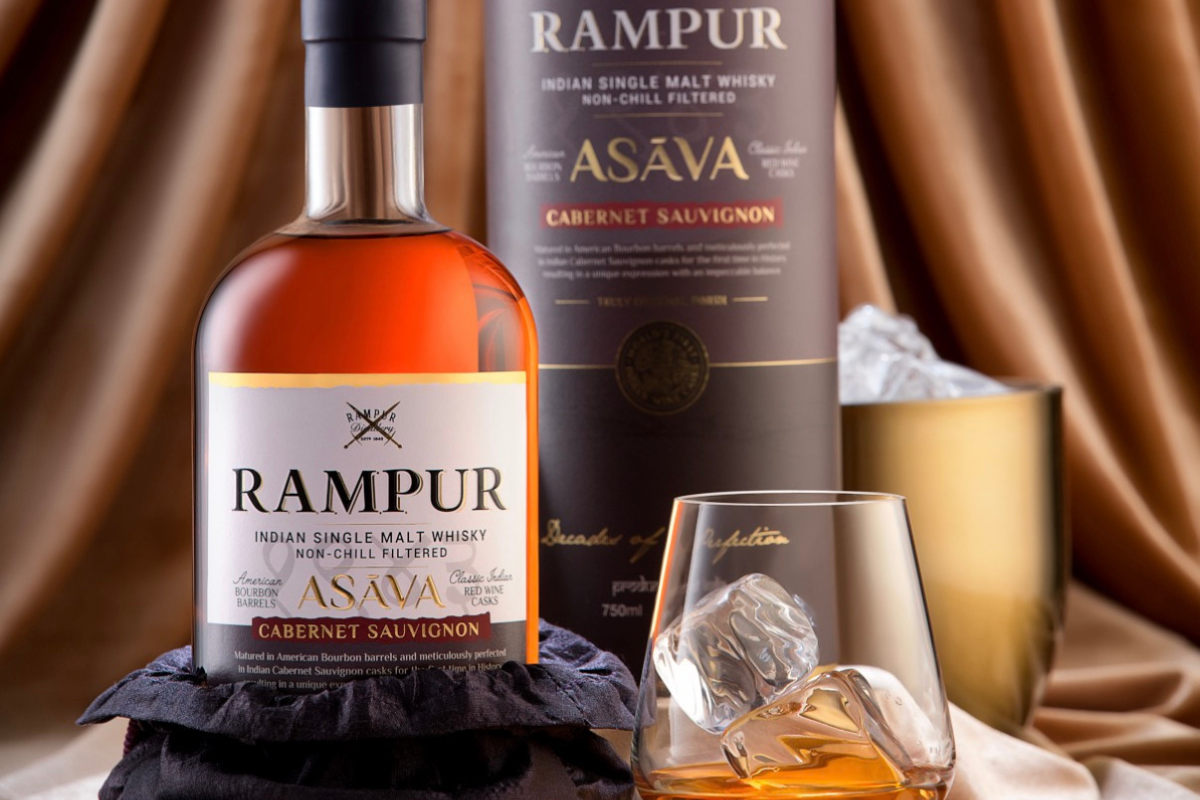
Rampur Asava Cabernet Sauvignon Cask Finish
Radico Khaitan produces this whiskey in the foothills of the Himalayans, beginning with traditional copper pot stills before maturation in bourbon barrels, then a finishing in Cabernet Sauvignon casks. With 100% Indian barley from Rampur, it’s a testament to a different expression of old whiskey techniques that adds red-wine-cask complexity, darker fruit like blackberries and dried apricots, and lingering with oak and cardamom on the finish. And at $80 a bottle, Rampur has a premium product on its hands with its own unique tasting profiles. And rather than simply replicating established Scotch traditions, it demonstrates how Indian producers are using the breathtakingly diverse geography of South Asia to express themselves, while embracing innovative cask finishing to develop distinct styles.
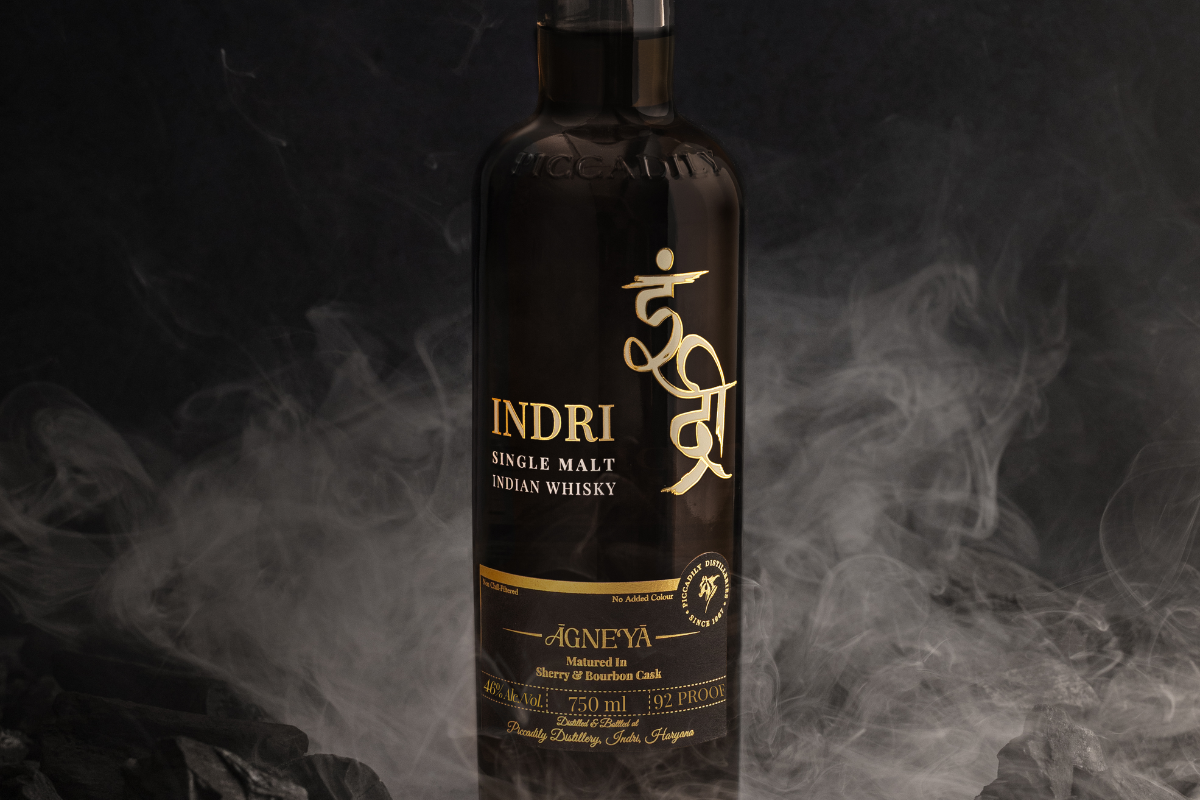
Indri Agneya Single Malt
Indri has gained international attention for its Indian single malts: not only is it the biggest independent malt manufacturer in India (with annual production capacities of 4 million liters) but it was among the first to gain acclaim from around the world—especially in Scotland, the land of peated whiskies. This bottle had plenty of heat and smoke, reflecting how the distiller is able to use climate and maturation conditions to shape the character of its whiskies. Ex-bourbon and Pedro Ximénez sherry casks contribute to this peated profile, combining smoky character with fruit, sweetness, and spice, and finishing with notes of ash that turns to mossy, earthy flavors. At 46% ABV and a $75 retail price, it’s a competitive peat-forward whiskey that shows how distillers from India are exploring a wider stylistic range, offering a different expression of Indian single malt.