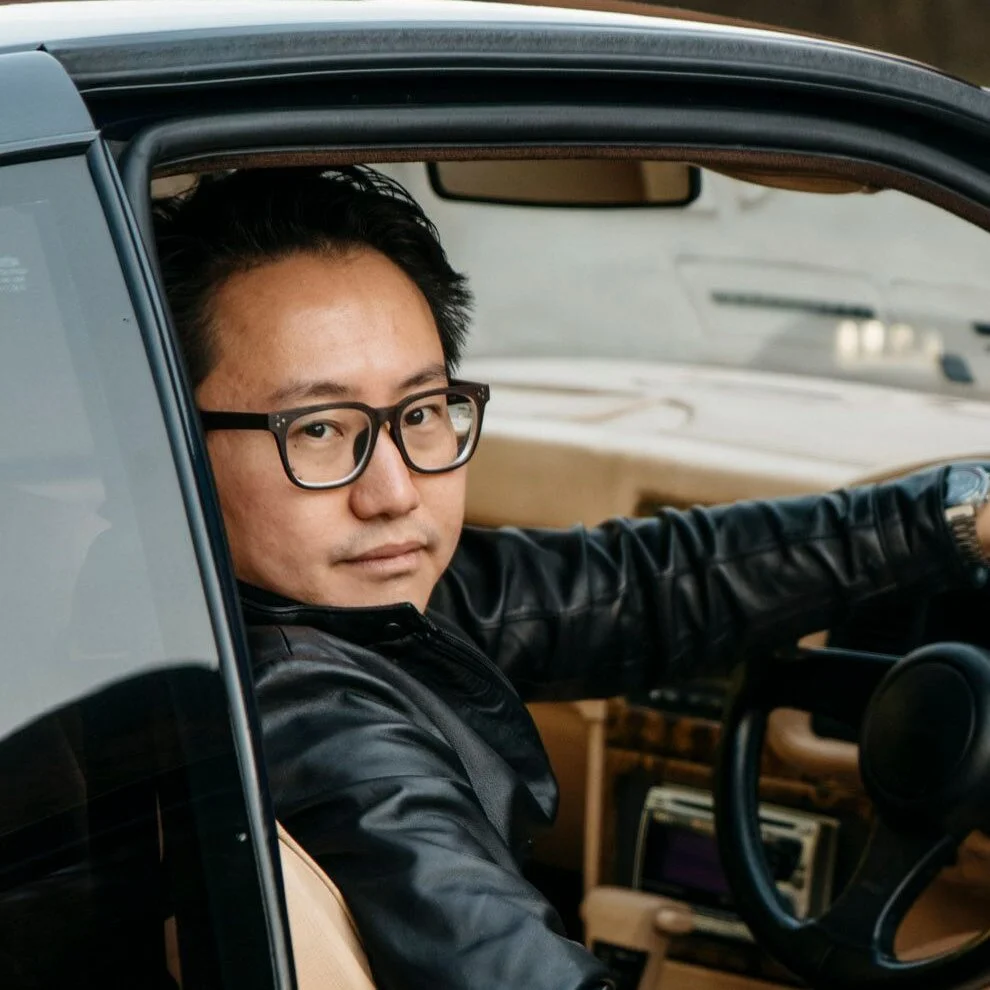
Gelo Honrade challenges himself at After Eden
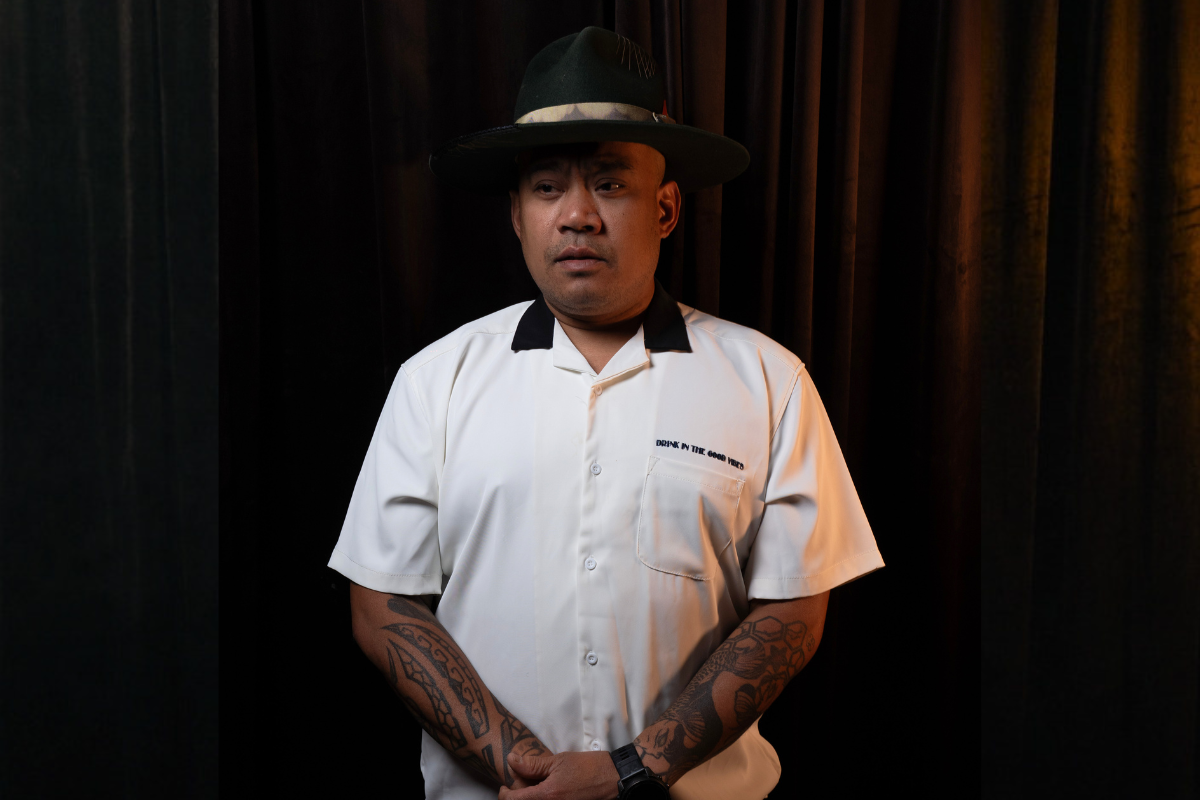
Gelo Honrade, owner and beverage director of After Eden
After over a decade working in other venues, Gelo Honrade has a space he can call his own. He is the owner and beverage director of After Eden, an all-day café and cocktail lounge in the Lower East Side that opened in April 2026. In the daytime, it serves up Vietnamese phin-filtered coffee and bánh mìs; at night, the cocktails created by Gelo are a nod to his Filipino heritage (especially in October, aka Filipino American Heritage Month) as well as Southeast Asia.
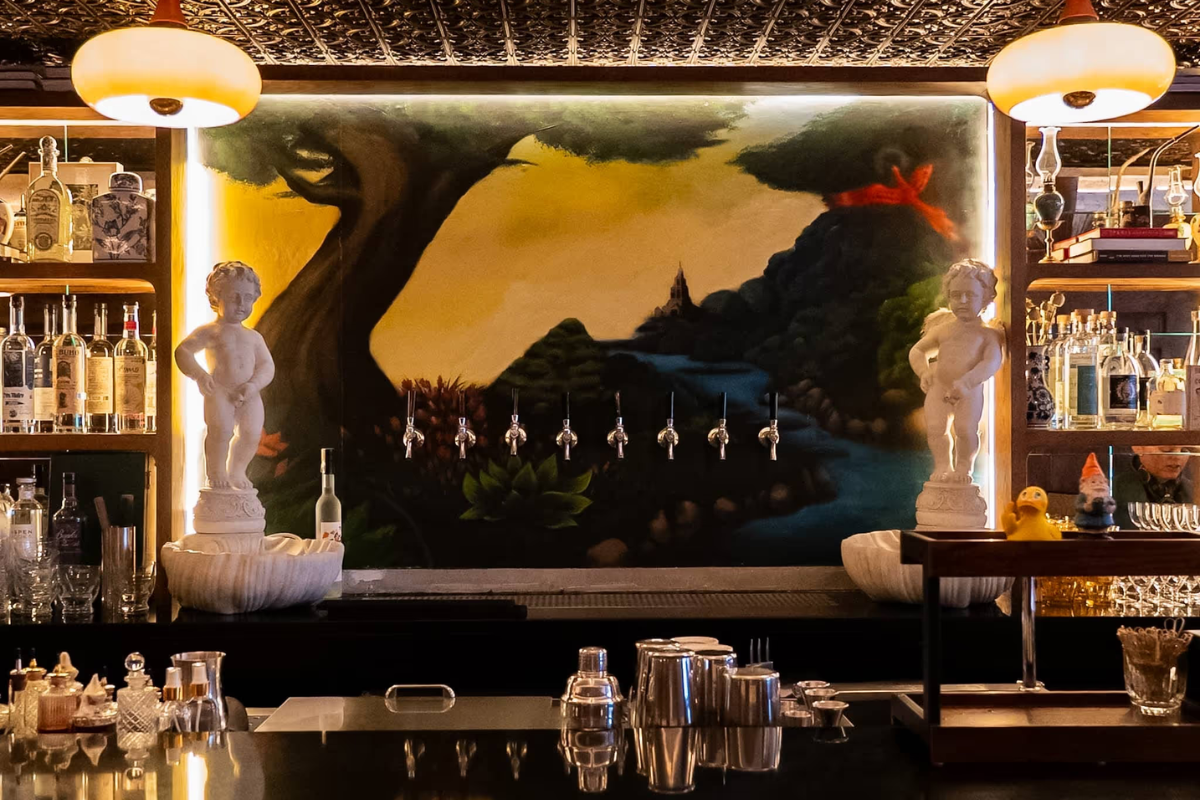
The décor is indulgent: muted floral wallpaper and wood paneling form a backdrop for framed prints of Van Gogh, Monet, and Degas, all vying for space against Asian screens, plush armchairs, and wicker-backed stools. Behind a curtain is a private room known as the Opium Den that serves as an event space among velvet seats and candlelight. The work of Gelo’s cofounder, designer Kim Lin, it’s meant to evoke French Vietnam as well as its namesake Garden of Eden—represented by a lush, dreamlike mural by artist Eric Ramirez behind the back bar, where statues and vases sit next to a gin- and tequila- focused program.
And the menu of Vietnamese-inspired cocktails is wonderfully unexpected: the Pho-tini, which starts by combining Casa Lotos sotol and Highland Park 12 yrs before adding a sweet vermouth reduction and a garnish of beef chips. Or a pina colada made with durian, the notoriously stinky fruit that has become, inadvertently, one of southeast Asia’s cultural icons.
They all come from the hand of Gelo, often seen behind the bar in a bowtie and a wide-brimmed hat, whose experiences have given him the right to be unapologetic about taste—After Eden has helped him embrace not just his own Filipino culture but that of one of the most culinary diverse regions on Earth. It’s a regional shift from the ten years he spent at Osamil, the two-story Korean gastropub in the heart of Koreatown, or Bar92 at Gui, the Korean-American steakhouse in Times Square. Sure, the ingredients might change, but Gelo still focuses on the key aspects of a cocktail experience like umami, and drinks that evolve as you sip them, letting the intermingling of warmth and ice slip into your hand.
We sat down with Gelo to ask about the challenge of developing drinks that speak to him, what Asian flavors have become cliché, and the trends he sees in the Lower East Side—where even among dive bars, tiki bars, speakeasies, and upscale places where you can get a traditional martini, After Eden finds its own niche.
What opportunity in the beverage industry inspired you to build After Eden?
I started at Hillstone. I was there for seven years, and then I left because I wanted to do more of a management role. Then I went to the Hotel Gansevoort. Then, Osamil needed me to help them to do the program in Koreatown. They were offering more to American palates. I told the chef, bro, if they want Korean food they can go down the block.
I was there for almost ten years. And then I went to Gui. I was working with Koreans for almost a decade. What is a Korean cocktail to you? Pouring soju? Instead, I don't know how to play with it. One of my best cuts was a soju Negroni, barrel-aged. So now we're trying our best to make After Eden known.
What’s one lesson you've learned in your career that you wish you knew earlier?
Work harder. Nowadays, every time I interview people, I ask something like, "you good with scrubbing toilets, scrubbing this floor with a toothbrush? And I'm being real.” And if they say, "yo, I'll go on my knees and scrub the floor,” I’m like, let's do it.
I keep telling my bartenders, making drinks is so easy. Shake, pour, here's your whatever cocktail. But how can you make a connection with a person? It's not just here you go, goodbye. No, you have to make them feel welcome. It has to be genuine. We have to be genuine.
What trend, consumer behavior, or shift in the industry are you most excited about right now?
Mostly dirty martinis with gin. Right now I'm hearing a lot of Cosmopolitans. Kind of a 90s throwback. People are still asking for Long Island iced teas. I charge 35 dollars: my rail is not nine-dollar bottles. Strawberry cocktails with gin, a lot of gin, or tequila or mezcal on the rocks. Remember when Mezcal was taking off? So that’s what’s happening. Sotol is coming back: sotol is another variety of agave. A lot of guests are like, "Oh, you must have a lychee martini.” I don't have lychee martini in the menu. A lot of lychee martinis are white, cloudy, and nasty. But every time I heard it, I was like, "What can I do with this?” So now I'm trying to elevate it more.
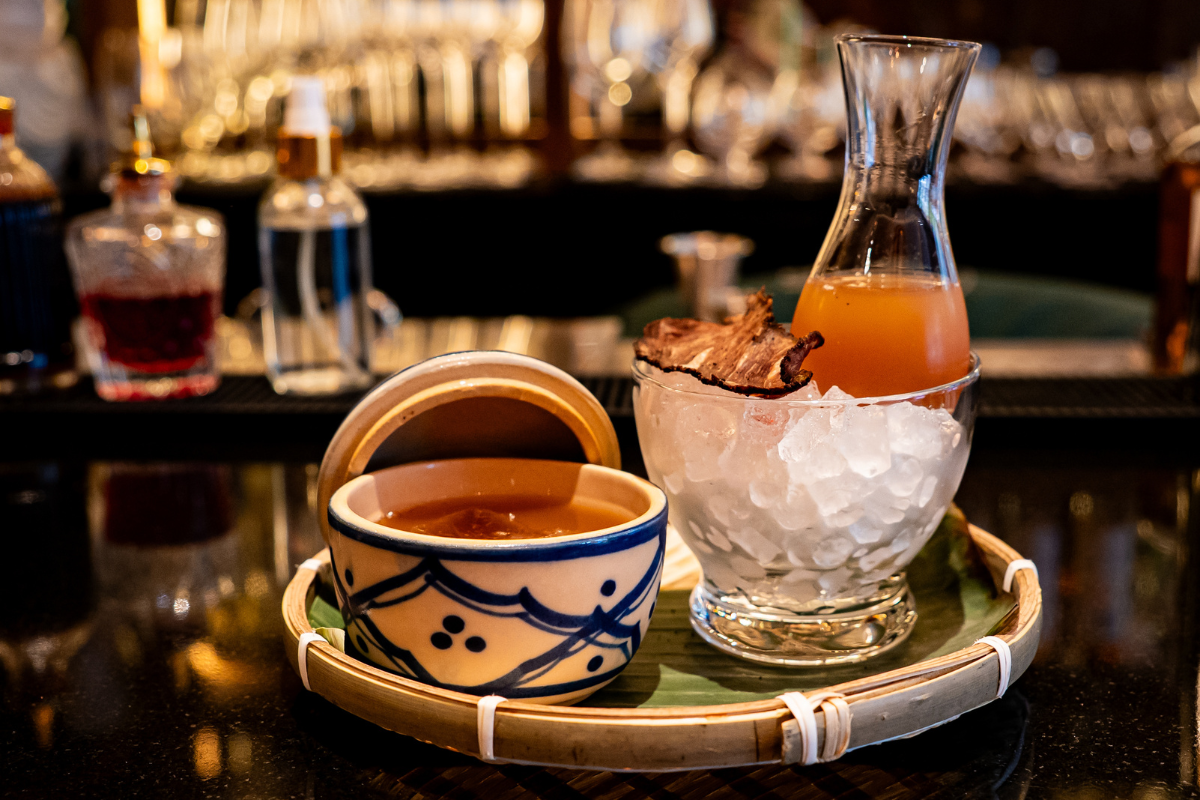
The Pho-tini at After Eden brings Southeast Asian flavor sensibility with Casa Lotos sotol, Highland Park 12, a pho vermouth reduction, and umami bitters.
How has your cultural background influenced the way you approach your work?
We’re locked into hospitality: if you look at a hotel, the housekeeping are Filipinos, the concierge are Filipinos. You’re Filipino? You’re a nurse. You’re Filipino, you’re this, you're that. And we're trying to be like no, Filipinos can also be in this industry. What is Filipino, or what is Southeast Asia? Thailand, Vietnam, Laos, Malaysia: for me opening up a Southeast Asian bar is my go-to.
I'm still trying to push Filipino flavors, like calamansi. Ube is overdone. Pandan is really overdone. Maybe some papaya or salted egg, but that's also Southeast Asian.
How do you balance honoring traditions with introducing something new to guests?
For me, I would say my durian colada. I have to use actual durian for this one, and then make it like a piña colada. A lot of bars will not touch durian. Bartenders will be like, "Oh, this is nasty.” For me, it's a challenge. Like, how can I make this nice? The American palate will take it, right?
After a long shift, what’s your go-to drink and where are you having it?
Mezcal on rocks, baby. Right here.